

Can left casement windows be used in coastal areas?
Sep 10, 2025
Leave a message
Can left casement windows be used in coastal areas?
As a supplier of left casement windows, I often encounter inquiries from customers in coastal areas regarding the suitability of our products for their locations. Coastal regions present unique environmental challenges, including high humidity, saltwater exposure, strong winds, and the potential for extreme weather events such as hurricanes and tropical storms. In this blog post, I will explore whether left casement windows can be effectively used in coastal areas, considering these factors and highlighting the features and benefits of our left casement windows.
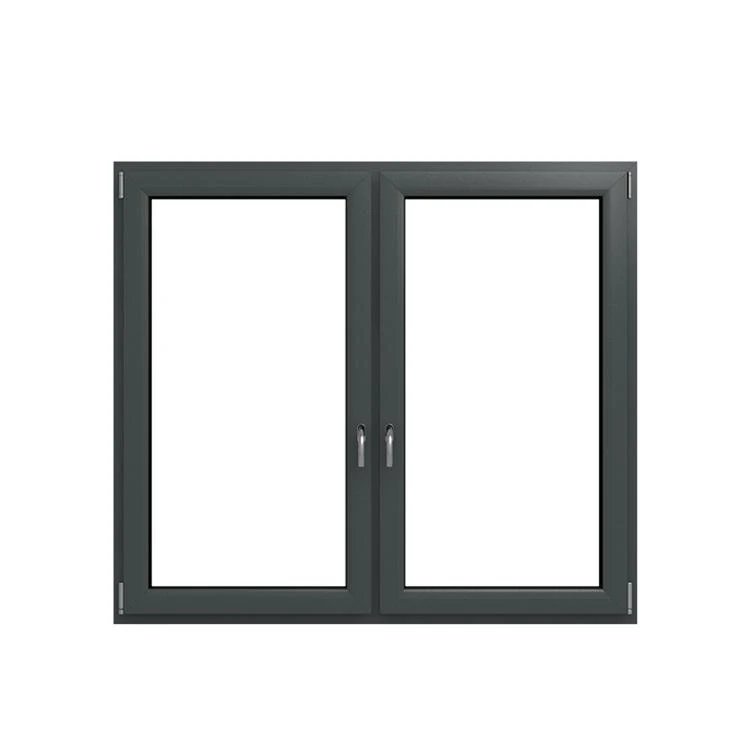

Environmental Challenges in Coastal Areas
Coastal environments are characterized by several factors that can impact the performance and durability of windows. One of the primary concerns is the high humidity levels, which can lead to condensation, mold growth, and corrosion over time. Saltwater in the air is another significant issue, as it can accelerate the corrosion of metal components and cause damage to the window frames and hardware. Additionally, coastal areas are prone to strong winds and extreme weather events, which require windows to be able to withstand high wind pressures and resist water infiltration.
Suitability of Left Casement Windows in Coastal Areas
Left casement windows can be a suitable choice for coastal areas when designed and constructed to withstand the unique challenges of the environment. Here are some key features and benefits of left casement windows that make them well-suited for coastal applications:
- Excellent Ventilation: Left casement windows are hinged on the left side and open outward, providing a wide opening for maximum ventilation. This feature is particularly beneficial in coastal areas, where fresh air circulation can help reduce humidity levels and prevent the buildup of moisture inside the building.
- Water Resistance: Our left casement windows are designed with advanced weatherstripping and sealing systems to prevent water infiltration. The windows are tested to meet strict water penetration resistance standards, ensuring that they can withstand heavy rain and strong winds without allowing water to enter the building.
- Corrosion Resistance: To combat the corrosive effects of saltwater, our left casement windows are made from high-quality materials that are resistant to corrosion. The frames are typically constructed from aluminum or vinyl, which are known for their durability and resistance to rust and corrosion. The hardware is also made from corrosion-resistant materials, such as stainless steel or brass, to ensure long-term performance.
- Wind Resistance: Coastal areas are often subject to strong winds, especially during hurricanes and tropical storms. Our left casement windows are engineered to withstand high wind pressures and are tested to meet or exceed the wind load requirements for coastal regions. The windows are designed with reinforced frames and hardware to provide additional strength and stability, ensuring that they can remain intact and functional even in extreme weather conditions.
- Security: In addition to their performance in harsh environmental conditions, left casement windows also offer enhanced security features. The windows are equipped with multi-point locking systems that provide a secure and reliable barrier against intruders. The locking systems are designed to prevent the window from being forced open from the outside, providing peace of mind for homeowners in coastal areas.
Our Left Casement Window Products
At our company, we offer a range of left casement windows that are specifically designed for coastal applications. Our windows are available in a variety of styles, sizes, and finishes to meet the diverse needs and preferences of our customers. Here are some of the key features and benefits of our left casement window products:
- Operable Casement Window: Our Operable Casement Window is a popular choice for coastal areas due to its excellent ventilation and water resistance. The window is designed with a single sash that opens outward, providing a wide opening for maximum airflow. The window is also equipped with a multi-point locking system and advanced weatherstripping to ensure a tight seal and prevent water infiltration.
- Open Casement Window: Our Open Casement Window is another option for coastal areas that offers enhanced ventilation and natural light. The window is designed with a large fixed panel and a smaller operable sash that opens outward, providing a combination of ventilation and views. The window is also available with a variety of glazing options, including energy-efficient glass, to help reduce energy costs and improve comfort.
- Screen Double Casement Window: Our Screen Double Casement Window is a great choice for coastal areas that offers both ventilation and protection from insects. The window is designed with two operable sashes that open outward, providing a wide opening for maximum airflow. The window is also equipped with a removable screen that can be easily installed and removed for cleaning and maintenance.
Conclusion
In conclusion, left casement windows can be a suitable choice for coastal areas when designed and constructed to withstand the unique challenges of the environment. Our left casement windows offer excellent ventilation, water resistance, corrosion resistance, wind resistance, and security features, making them a reliable and durable option for homeowners in coastal regions. If you are considering installing left casement windows in your coastal home, we encourage you to contact us to learn more about our products and services. Our team of experts can help you choose the right windows for your specific needs and provide you with a free quote. We look forward to working with you to enhance the comfort, energy efficiency, and security of your coastal home.
References
- American Architectural Manufacturers Association (AAMA). (2023). AAMA 501.1-23: Voluntary Test Method for Impact Resistance of Exterior Windows, Doors, and Skylights.
- Fenestration and Glazing Industry Alliance (FGIA). (2023). FGIA-101/NAFMAA-101: North American Fenestration Standard/Specification for Windows, Doors, and Skylights.
- International Code Council (ICC). (2023). International Residential Code (IRC).