

Do insulated curtain walls have a self - cleaning feature?
Jul 25, 2025
Leave a message
In the realm of modern architecture, insulated curtain walls have emerged as a cornerstone for constructing energy - efficient, aesthetically pleasing buildings. As a well - established supplier of insulated curtain walls, I often encounter a question from architects, contractors, and building owners alike: "Do insulated curtain walls have a self - cleaning feature?" This blog post aims to delve into this topic in detail, exploring the scientific principles, available technologies, and practical implications.
The Concept of Self - Cleaning in Building Materials
Self - cleaning is a highly desirable feature in building materials, especially for exterior elements like curtain walls. The main idea behind self - cleaning is to reduce maintenance costs, enhance the building's appearance, and improve the overall lifespan of the structure. There are two primary mechanisms through which self - cleaning can occur: hydrophilic and hydrophobic.
Hydrophilic self - cleaning relies on a surface that attracts water. When water comes into contact with a hydrophilic surface, it spreads out evenly, forming a thin film. This film of water can then carry away dirt and debris as it runs off the surface. On the other hand, hydrophobic self - cleaning involves a surface that repels water. Water droplets on a hydrophobic surface bead up and roll off easily, taking dirt particles with them.
Insulated Curtain Walls: General Overview
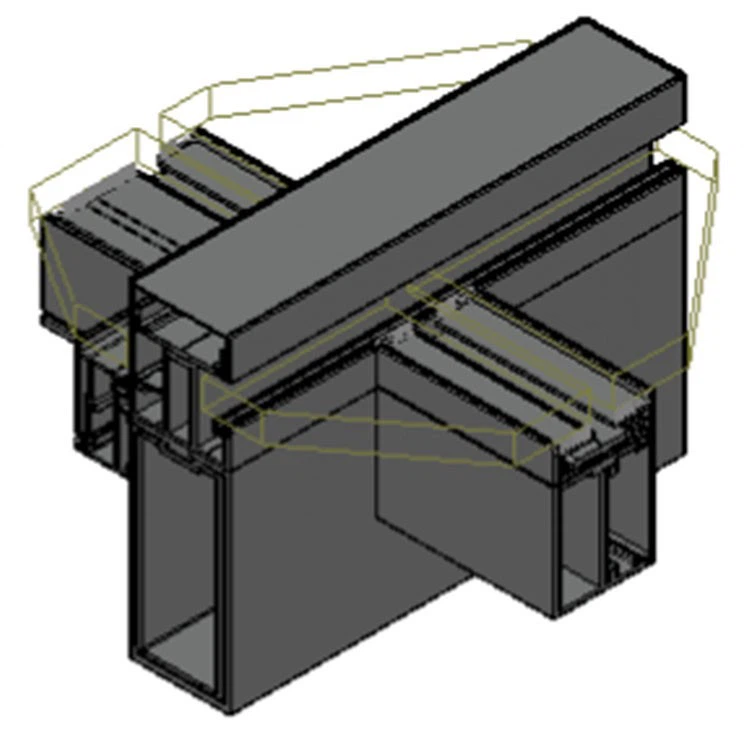
Insulated curtain walls are non - load - bearing exterior building envelopes that are designed to provide thermal insulation. They typically consist of a frame system and infill panels, which can be made from various materials such as glass, metal, or composite materials. The insulation properties of these curtain walls help to reduce energy consumption by minimizing heat transfer between the interior and exterior of the building.

Self - Cleaning Technologies in Insulated Curtain Walls
Photocatalytic Coatings
One of the most common self - cleaning technologies used in insulated curtain walls is photocatalytic coatings. These coatings contain titanium dioxide (TiO₂), which is a photocatalyst. When exposed to ultraviolet (UV) light, TiO₂ initiates a chemical reaction that breaks down organic dirt and pollutants on the surface of the curtain wall.
In addition to breaking down dirt, photocatalytic coatings also have hydrophilic properties. After the organic matter is decomposed, water can spread evenly over the surface, washing away the remaining debris. This dual - action mechanism makes photocatalytic coatings an effective self - cleaning solution for insulated curtain walls.
Hydrophobic Coatings
Hydrophobic coatings are another option for achieving self - cleaning in insulated curtain walls. These coatings create a rough surface at the microscopic level, which reduces the contact area between water and the curtain wall surface. As a result, water droplets bead up and roll off easily, carrying dirt with them.
Hydrophobic coatings can be made from various materials, such as fluoropolymers or silicones. They are relatively easy to apply and can provide long - lasting protection against dirt and water damage. However, it's important to note that the effectiveness of hydrophobic coatings can be reduced in areas with high levels of air pollution, as the dirt particles may adhere more strongly to the surface.
Advantages of Self - Cleaning Insulated Curtain Walls
Reduced Maintenance Costs
One of the most significant advantages of self - cleaning insulated curtain walls is the reduction in maintenance costs. Traditional curtain walls often require regular cleaning, which can be time - consuming and expensive. With self - cleaning curtain walls, the need for frequent manual cleaning is greatly reduced, saving both time and money in the long run.
Enhanced Aesthetic Appeal
Self - cleaning insulated curtain walls can maintain their clean appearance for longer periods. This is particularly important for commercial buildings, where the exterior appearance can have a significant impact on the building's image and value. A clean and well - maintained curtain wall can enhance the overall aesthetic appeal of the building, making it more attractive to tenants and customers.
Improved Energy Efficiency
Although the primary function of insulated curtain walls is to provide thermal insulation, self - cleaning features can also contribute to energy efficiency. A clean curtain wall surface allows more sunlight to penetrate into the building, which can reduce the need for artificial lighting during the day. Additionally, self - cleaning coatings can help to prevent the build - up of dirt and debris, which can otherwise reduce the thermal performance of the curtain wall.
Limitations and Challenges
Environmental Conditions
The effectiveness of self - cleaning technologies in insulated curtain walls can be influenced by environmental conditions. For example, photocatalytic coatings rely on UV light to initiate the self - cleaning process. In areas with low levels of sunlight or high levels of air pollution that block UV rays, the performance of these coatings may be compromised.
Similarly, hydrophobic coatings may not work as well in areas with high humidity or heavy rainfall. In such conditions, water may not bead up and roll off as easily, reducing the self - cleaning effect.
Cost
Self - cleaning technologies often come at a higher cost compared to traditional curtain wall systems. The cost of applying photocatalytic or hydrophobic coatings, as well as the additional research and development required for these technologies, can make self - cleaning insulated curtain walls more expensive to install. However, it's important to consider the long - term savings in maintenance costs when evaluating the overall cost - effectiveness of these systems.
Case Studies
There have been several successful applications of self - cleaning insulated curtain walls in real - world projects. For example, a commercial building in a sunny urban area installed insulated curtain walls with photocatalytic coatings. Over a period of several years, the building's management reported a significant reduction in cleaning costs and an improvement in the building's overall appearance.
Another project in a coastal area used hydrophobic - coated insulated curtain walls. The high salt content in the air and the frequent exposure to sea spray could have caused significant dirt and corrosion on a traditional curtain wall. However, the hydrophobic coating effectively repelled water and salt, keeping the curtain wall clean and in good condition.
Conclusion
In conclusion, while not all insulated curtain walls have a self - cleaning feature, there are several technologies available that can provide this functionality. Photocatalytic coatings and hydrophobic coatings are two effective self - cleaning solutions that offer a range of benefits, including reduced maintenance costs, enhanced aesthetic appeal, and improved energy efficiency.
However, it's important to consider the limitations and challenges associated with these technologies, such as environmental conditions and cost. When choosing an insulated curtain wall system, architects, contractors, and building owners should carefully evaluate their specific needs and requirements to determine whether a self - cleaning feature is worth the investment.
If you are interested in learning more about our Aluminium Louver Curtain Wall, Timber Curtain Wall System, or Aluminium Curtain Wall Systems, or if you have any questions regarding self - cleaning insulated curtain walls, we encourage you to contact us for a detailed discussion. We are committed to providing high - quality products and personalized solutions to meet your building needs.
References
- "Self - Cleaning Materials: A Review" by X. Wang and X. Zhang, Journal of Materials Chemistry, 2012.
- "Photocatalytic Self - Cleaning Coatings for Building Applications" by M. R. Hoffmann and S. T. Martin, Journal of Photochemistry and Photobiology C: Photochemistry Reviews, 2010.
- "Hydrophobic and Superhydrophobic Surfaces: Fundamentals, Applications, and Future Prospects" by B. Bhushan and P. K. Croll, Philosophical Transactions of the Royal Society A, 2010.