

What is the difference between frosted glass bifold doors and pocket doors?
May 15, 2025
Leave a message
When it comes to modern interior and exterior design, choosing the right type of door can significantly impact the overall aesthetic and functionality of a space. Two popular options that often come into consideration are frosted glass bifold doors and pocket doors. As a supplier of frosted glass bifold doors, I have in - depth knowledge of these products and their differences. In this blog, I will explore the key distinctions between frosted glass bifold doors and pocket doors to help you make an informed decision for your project.
1. Design and Appearance
Frosted glass bifold doors are a stunning addition to any space. The frosted glass provides a sense of privacy while still allowing light to filter through, creating a soft and inviting atmosphere. These doors typically consist of multiple panels that fold onto each other, usually in a concertina - like fashion. When fully open, they can span a large area, making them ideal for spaces where you want to maximize the opening and create a seamless connection between different areas, such as between a living room and a patio.
The bifold design allows for a dramatic and stylish look. The panels can be arranged in various configurations, and the hardware used for the folding mechanism can add to the overall aesthetic. For example, sleek and modern metal hardware can give the doors a contemporary feel, while more ornate hinges can lend a traditional touch.
On the other hand, pocket doors are designed to slide into a wall cavity when opened. This means that they are completely hidden from view when not in use, creating a clean and uncluttered look. Pocket doors are usually single - panel or double - panel doors. They are a great choice for spaces where floor space is limited, as they do not require any clearance in front of or behind the door for swinging or folding.
The appearance of pocket doors is more understated compared to frosted glass bifold doors. Since they are meant to blend into the wall when open, they often have a more minimalist design. However, they can still be customized with different types of glass, including frosted glass, to match the style of the room.
2. Space Utilization
One of the most significant differences between frosted glass bifold doors and pocket doors lies in how they utilize space. Frosted glass bifold doors are excellent for large openings. They can be installed in wide doorways, such as those leading to outdoor areas or large indoor rooms. When opened, the folded panels stack neatly to one side, allowing for a wide passage.
However, bifold doors do require some space in front of and behind the door to fold properly. This means that there should be enough clearance in the adjacent areas to accommodate the folded panels. In small rooms or areas with limited floor space, this can be a drawback.
Pocket doors, on the other hand, are a space - saving solution. As mentioned earlier, they slide into a wall cavity, which means they do not take up any floor space when open. This makes them a popular choice for small bathrooms, closets, and areas where every square foot counts.
The installation of pocket doors does require a wall cavity to be built or existing walls to be modified. This may add to the complexity and cost of the installation, especially in older buildings where the wall structure may not be easily adaptable.
3. Functionality
In terms of functionality, frosted glass bifold doors offer easy access to large areas. They can be opened and closed relatively quickly, and the multiple panels allow for partial opening if needed. For example, you can open just one or two panels to let in a little fresh air or create a smaller passage.
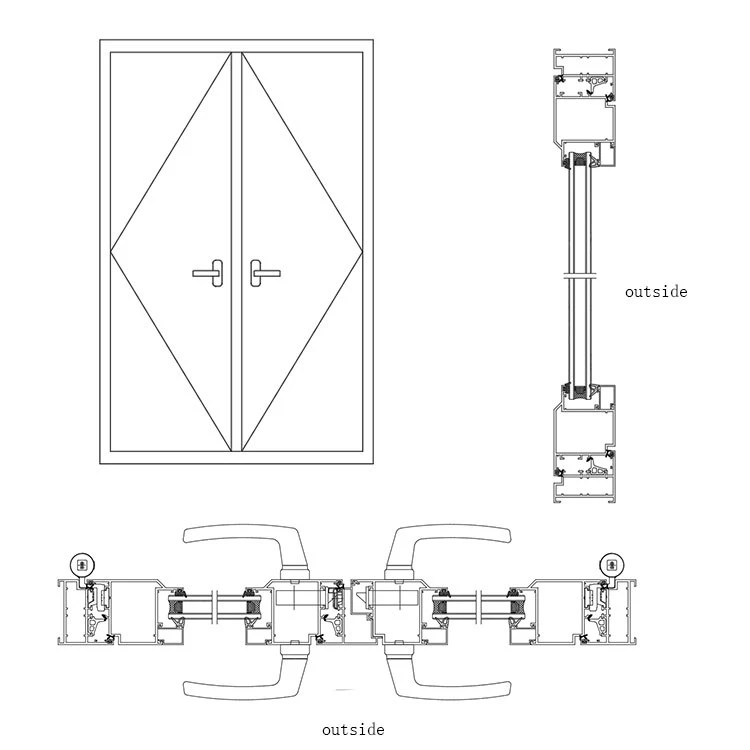
The bifold design also provides some flexibility in terms of ventilation. You can adjust the position of the panels to control the amount of airflow. Additionally, if you need to move large items through the doorway, such as furniture, the wide opening provided by bifold doors makes it easier.
Pocket doors, on the other hand, are more suitable for areas where a more discreet and seamless transition is required. They open and close smoothly with a simple sliding motion. However, they are typically limited to single - or double - panel configurations, which may not be sufficient for very wide openings.
The sliding mechanism of pocket doors can sometimes be prone to problems, such as getting stuck or off - track. Regular maintenance is required to ensure smooth operation. In contrast, the folding mechanism of bifold doors is generally more robust, although the hinges and tracks also need to be maintained.
4. Privacy and Light Control
Frosted glass is a key feature of both frosted glass bifold doors and pocket doors when they are equipped with frosted glass. Frosted glass provides an excellent balance between privacy and light transmission. It obscures the view from the outside while still allowing natural light to enter the room, creating a bright and airy environment.

With frosted glass bifold doors, you can adjust the privacy level by partially or fully closing the panels. When fully closed, they offer a high level of privacy. When opened, the frosted glass still provides a degree of visual separation while allowing light to flood the space.
Pocket doors with frosted glass also offer similar privacy and light - control benefits. However, since they are usually single - or double - panel doors, the adjustment of privacy and light may be less flexible compared to bifold doors.
5. Cost
The cost of frosted glass bifold doors and pocket doors can vary depending on several factors, including the size, materials, and quality of the hardware. Generally, frosted glass bifold doors tend to be more expensive. This is because they require more materials, such as multiple panels and a more complex folding mechanism.
The hardware for bifold doors, including hinges and tracks, needs to be of high quality to ensure smooth folding and long - term durability. Additionally, the installation of bifold doors may be more labor - intensive, especially for larger openings, which can add to the overall cost.
Pocket doors can be more cost - effective in some cases, especially for smaller installations. However, the cost of building or modifying a wall cavity for the pocket door can offset the savings. If you choose high - end materials and hardware for pocket doors, the cost can also be significant.
6. Applications
Frosted glass bifold doors are commonly used in residential and commercial settings. In residential buildings, they are often installed between living rooms and patios, or in large interior doorways to create a sense of openness. In commercial spaces, such as restaurants and offices, they can be used to separate different areas while still maintaining a visual connection.
Pocket doors are mainly used in areas where space is limited. In homes, they are popular in bathrooms, closets, and small bedrooms. In commercial buildings, they can be used in partition walls to create flexible spaces.
If you are interested in exploring more door options, we also offer French Casement Door and Aluminum Swing Basement Door. Our Track Aluminium Bifold Door is another great choice for those looking for a high - quality bifold door solution.
In conclusion, both frosted glass bifold doors and pocket doors have their own unique advantages and disadvantages. When choosing between the two, you need to consider factors such as design, space utilization, functionality, privacy, cost, and application. As a supplier of frosted glass bifold doors, I am committed to providing high - quality products and professional advice. If you are in the process of selecting doors for your project, I encourage you to contact me for a detailed discussion and to explore our range of products. Whether you need a stylish and functional solution for your home or commercial space, I am here to help you make the right choice.
References
- Interior Design Magazine. "Door Trends in Modern Architecture." 2023.
- Building Materials Handbook. "Comparative Analysis of Door Types." 2022.