

What is the impact of insulated curtain walls on the building's heating and cooling costs?
Jul 01, 2025
Leave a message
Insulated curtain walls have emerged as a pivotal element in modern building design, significantly influencing a building's heating and cooling costs. As a leading supplier of Insulated Curtain Walls, I have witnessed firsthand the transformative impact these systems can have on energy efficiency and cost savings. In this blog, we will explore the science behind insulated curtain walls and how they contribute to reducing a building's energy consumption for heating and cooling.
The Science of Insulation in Curtain Walls
To understand the impact of insulated curtain walls on heating and cooling costs, it's essential to grasp the basic principles of heat transfer. Heat naturally flows from areas of higher temperature to areas of lower temperature through three main mechanisms: conduction, convection, and radiation. In a building, heat can be lost or gained through the walls, windows, and roof. Insulated curtain walls are designed to impede this heat transfer, creating a thermal barrier between the interior and exterior environments.

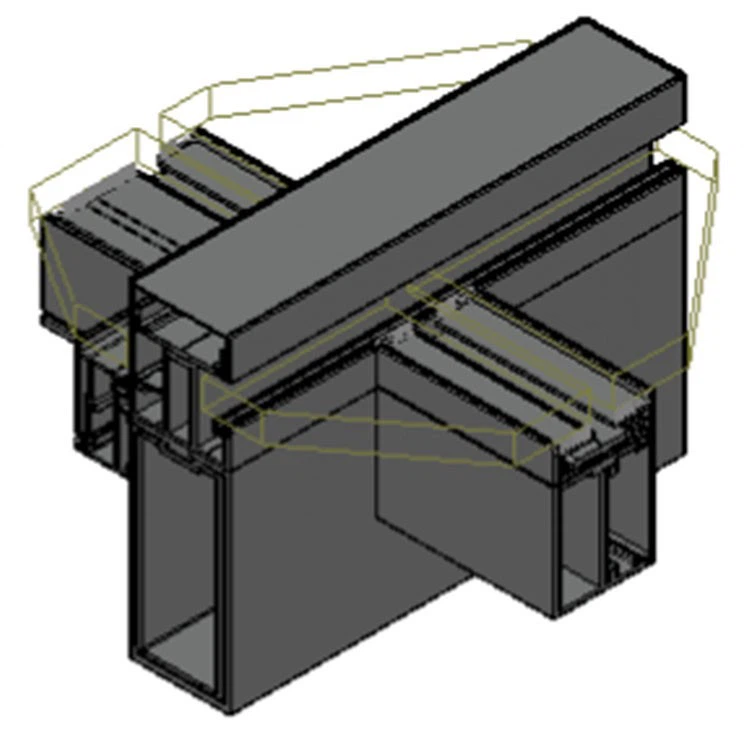
Insulated curtain walls typically consist of multiple layers, including glass, frames, and insulating materials. The glass used in these systems is often double or triple-glazed, with a layer of gas (such as argon or krypton) trapped between the panes. This gas acts as an insulator, reducing heat transfer by conduction. The frames of the curtain wall are also designed to minimize heat transfer, often using thermally broken profiles that separate the interior and exterior sections of the frame. Additionally, insulating materials can be added to the wall cavity to further enhance the thermal performance of the system.
Impact on Heating Costs
One of the primary benefits of insulated curtain walls is their ability to reduce heating costs. During the winter months, heat tends to escape from the interior of a building to the colder exterior. Insulated curtain walls help to slow down this heat loss, keeping the interior of the building warmer and reducing the amount of energy required to maintain a comfortable temperature.
The thermal insulation provided by the curtain wall reduces the heat transfer rate through the walls, which means that the heating system doesn't have to work as hard to compensate for the heat loss. This results in lower energy consumption and, consequently, lower heating bills. In fact, studies have shown that buildings with insulated curtain walls can experience heating cost savings of up to 30% compared to buildings with traditional non-insulated walls.
Impact on Cooling Costs
Insulated curtain walls also have a significant impact on cooling costs. During the summer months, heat from the sun can penetrate the building through the walls and windows, causing the interior temperature to rise. This forces the cooling system to work harder to remove the excess heat and maintain a comfortable indoor environment.
Insulated curtain walls help to block the solar heat gain, reducing the amount of heat that enters the building. The double or triple-glazed glass used in these systems reflects a portion of the solar radiation, while the insulating materials in the wall cavity absorb and dissipate the remaining heat. This reduces the load on the cooling system, allowing it to operate more efficiently and consume less energy. As a result, buildings with insulated curtain walls can experience cooling cost savings of up to 20% compared to buildings with non-insulated walls.
Other Benefits of Insulated Curtain Walls
In addition to reducing heating and cooling costs, insulated curtain walls offer several other benefits. These include:
- Improved Comfort: By reducing heat transfer, insulated curtain walls help to create a more comfortable indoor environment. They minimize temperature fluctuations and drafts, making the building more pleasant to occupy.
- Noise Reduction: The multiple layers of glass and insulating materials in insulated curtain walls also provide excellent sound insulation. This helps to reduce the amount of noise that enters the building from the outside, creating a quieter and more peaceful indoor environment.
- Enhanced Aesthetics: Insulated curtain walls can enhance the aesthetic appeal of a building. They offer a sleek and modern look that can complement any architectural style. Additionally, the large expanses of glass allow for plenty of natural light to enter the building, creating a bright and inviting atmosphere.
- Sustainability: Using insulated curtain walls is an environmentally friendly choice. By reducing energy consumption, these systems help to lower greenhouse gas emissions and contribute to a more sustainable future.
Types of Insulated Curtain Walls
There are several types of insulated curtain walls available on the market, each with its own unique features and benefits. Some of the most common types include:
- Timber Curtain Wall System: Timber curtain walls offer a natural and warm aesthetic. They are also a sustainable choice, as wood is a renewable resource. Timber curtain walls can be designed to provide excellent thermal insulation, making them suitable for both residential and commercial buildings.
- Thermally Broken Curtain Wall: Thermally broken curtain walls are designed to minimize heat transfer through the frame. These systems use a thermal break, which is a material with low thermal conductivity, to separate the interior and exterior sections of the frame. This helps to reduce heat loss and improve the overall energy efficiency of the building.
- Aluminium Louver Curtain Wall: Aluminium louver curtain walls are a popular choice for commercial buildings. They offer a modern and stylish look, while also providing excellent ventilation and solar shading. The louvers can be adjusted to control the amount of sunlight and airflow entering the building, helping to reduce cooling costs and improve indoor comfort.
Conclusion
Insulated curtain walls have a profound impact on a building's heating and cooling costs. By reducing heat transfer and improving energy efficiency, these systems can help to lower energy consumption and save money on utility bills. In addition to the cost savings, insulated curtain walls also offer several other benefits, including improved comfort, noise reduction, enhanced aesthetics, and sustainability.
As a supplier of Insulated Curtain Walls, I am committed to providing high-quality products that meet the needs of our customers. Our curtain walls are designed and manufactured to the highest standards, using the latest technology and materials to ensure optimal performance. If you are interested in learning more about how insulated curtain walls can benefit your building, or if you would like to discuss a specific project, please feel free to contact us. We would be happy to provide you with more information and assist you in making the right choice for your needs.
References
- ASHRAE Handbook - Fundamentals. American Society of Heating, Refrigerating and Air-Conditioning Engineers.
- International Energy Agency. Energy Efficiency in Buildings.
- National Fenestration Rating Council. Fenestration Product Ratings and Labeling.