

Are insulated curtain walls suitable for all climates?
Dec 22, 2025
Leave a message
Are insulated curtain walls suitable for all climates? That's a question I get asked a lot as a supplier of Insulated Curtain Walls. And the answer isn't as straightforward as you might think.
Let's start by understanding what insulated curtain walls are. These are non - load - bearing exterior building envelopes that are designed to keep the interior of a building comfortable by reducing heat transfer. They consist of a frame and glazing, and often have additional insulation materials to enhance their thermal performance.
In Cold Climates
In cold climates, insulated curtain walls are a no - brainer. The main challenge in these areas is to keep the heat inside the building. Insulated curtain walls are great at this. They have a high R - value, which is a measure of thermal resistance. The higher the R - value, the better the insulation.
For example, in places like Alaska or parts of Canada where winter temperatures can drop well below freezing, a well - installed Morden Insulated Curtain Wall can significantly reduce the amount of heat that escapes through the building's exterior. This means lower heating bills for building owners.
The frames of these curtain walls are often made with materials that have low thermal conductivity. Some even use Thermally Broken Curtain Wall technology. A thermal break is a material with low thermal conductivity that is placed between the interior and exterior parts of the frame. This prevents heat from being conducted through the frame, which is a common source of heat loss in traditional curtain walls.
Another advantage in cold climates is that insulated curtain walls can help prevent condensation. When warm, moist air inside the building comes into contact with a cold surface, condensation can form. This can lead to mold growth and damage to the building's interior. Insulated curtain walls keep the interior surface of the glass warmer, reducing the likelihood of condensation.
In Hot Climates
In hot climates, the goal is to keep the heat out. Insulated curtain walls can still be a good option, but there are some things to consider.
One of the key features of insulated curtain walls in hot climates is their ability to block solar heat gain. The glazing used in these walls can be treated with special coatings that reflect a significant portion of the sun's infrared radiation. This means less heat is transferred into the building, reducing the need for air - conditioning.
However, in extremely hot and sunny regions, the orientation of the building and the curtain wall installation becomes crucial. For example, if a large portion of the curtain wall faces south or west, it will receive more direct sunlight. In such cases, additional shading devices may be needed to complement the insulated curtain wall. These could be external louvers or overhangs that block the sun's rays during the hottest parts of the day.
Another aspect is ventilation. In hot and humid climates, proper ventilation is essential to remove stale air and moisture from the building. Some insulated curtain wall systems can be designed with operable windows or vents to allow for natural ventilation. This can help reduce the reliance on mechanical ventilation systems and save energy.
In Humid Climates
Humid climates present a unique set of challenges. In addition to temperature control, preventing moisture damage is a top priority.
Insulated curtain walls can help in this regard. The insulation helps to maintain a more stable interior temperature, which in turn reduces the risk of condensation. As mentioned earlier, condensation can lead to mold and mildew growth, which can be a health hazard and cause damage to the building's structure.
However, the seals and gaskets in the curtain wall system need to be of high quality. In a humid environment, these seals can degrade over time if they are not properly designed and maintained. Regular inspections and maintenance are necessary to ensure that the curtain wall remains airtight and watertight.
In Coastal Climates
Coastal climates are characterized by high humidity, saltwater exposure, and strong winds. Insulated curtain walls can work well here, but they need to be built to withstand these harsh conditions.
The materials used in the curtain wall should be corrosion - resistant. For example, the frames can be made of aluminum that has been treated with a protective coating to prevent saltwater corrosion. The glazing should also be strong enough to withstand high - velocity winds and potential impacts from flying debris during storms.
In addition, the design of the curtain wall needs to account for wind loads. Coastal areas often experience strong winds, especially during hurricane or typhoon seasons. The curtain wall system should be engineered to resist these wind forces without compromising its insulation properties.
Limitations and Considerations
While insulated curtain walls have many benefits, they may not be suitable for every situation.
Cost is one major factor. Insulated curtain walls are generally more expensive than traditional curtain walls. The cost of the materials, installation, and any additional features like thermal breaks or special glazing can add up. For some building projects with tight budgets, this may be a deterrent.

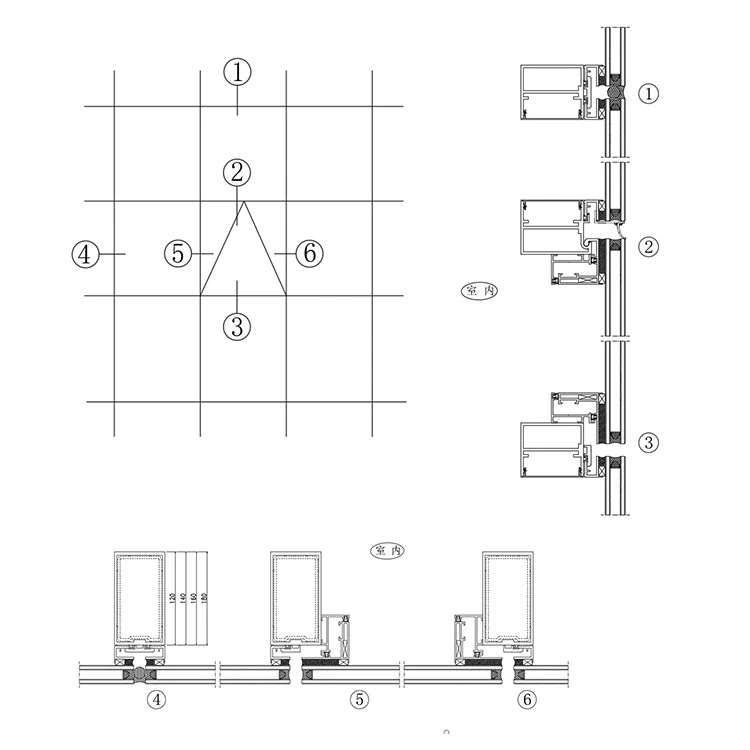
Maintenance is another consideration. As mentioned earlier, regular maintenance is required to ensure the long - term performance of the curtain wall. This includes checking the seals, gaskets, and insulation for any signs of damage or wear. If maintenance is neglected, the curtain wall's performance can deteriorate over time.
The design and installation of insulated curtain walls also need to be done correctly. A poorly installed curtain wall can lead to air and water leaks, which can undermine its insulation properties. It's important to work with experienced contractors who are familiar with the specific requirements of insulated curtain wall systems.
Conclusion
So, are insulated curtain walls suitable for all climates? The answer is that they can be, but it depends on a variety of factors. In cold, hot, humid, and coastal climates, insulated curtain walls can offer significant benefits in terms of energy efficiency, comfort, and protection against the elements. However, careful consideration needs to be given to the specific climate conditions, building design, and budget.
If you're considering using insulated curtain walls for your building project, I'd love to have a chat. We can discuss your specific needs, the climate in your area, and how our Insulated Curtain Walls can be customized to meet your requirements. Whether it's a commercial building in a cold northern city or a residential project in a hot coastal town, we have the expertise and products to help you achieve your goals.
References
- ASHRAE Handbook of Fundamentals. American Society of Heating, Refrigerating and Air - Conditioning Engineers.
- Building Enclosure Design Guide. National Institute of Building Sciences.
- Curtain Wall Design Manual. Various industry sources.