

Can insulated curtain walls be used in high - rise buildings?
Jun 16, 2025
Leave a message
Hey there! As a supplier of Insulated Curtain Walls, I often get asked if these bad boys can be used in high - rise buildings. Well, let's dig into this topic and find out.
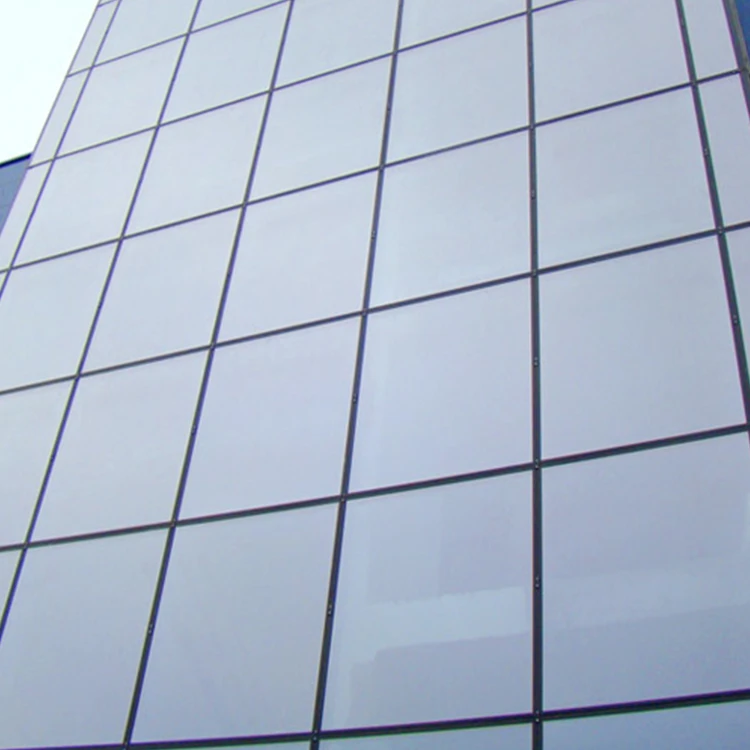
First off, what are insulated curtain walls? They're basically non - load - bearing exterior building envelopes that provide insulation. They consist of a frame, usually made of aluminum or other materials, and infill panels that can be glass, metal, or other substances. These walls are designed to keep the heat in during winter and out during summer, which can save a ton of energy in a building.
Now, when it comes to high - rise buildings, there are several factors to consider. One of the most important ones is wind resistance. High - rise buildings are exposed to much stronger winds compared to low - rise structures. Insulated curtain walls need to be able to withstand these high - speed winds without getting damaged. The good news is that modern insulated curtain walls are engineered to be incredibly strong. They're tested rigorously in wind tunnels to ensure they can handle the forces exerted on them by strong winds. For example, we've got a Morden Insulated Curtain Wall that has been designed with advanced aerodynamics in mind. It distributes the wind pressure evenly across the wall, reducing the risk of structural failure.
Another crucial aspect is fire safety. In high - rise buildings, fire can spread quickly, and having a fire - resistant curtain wall is essential. Insulated curtain walls can be equipped with fire - rated glass and other fire - resistant materials. These materials help to prevent the spread of fire from the outside to the inside of the building and vice versa. They can also act as a barrier, giving occupants more time to evacuate in case of a fire.
Seismic activity is also a concern, especially in areas prone to earthquakes. High - rise buildings need to be able to flex and move during an earthquake without the curtain walls breaking. Insulated curtain walls can be designed with flexible joints and connections that allow them to move with the building. This flexibility helps to prevent the walls from cracking or shattering during seismic events.
In terms of energy efficiency, insulated curtain walls are a game - changer for high - rise buildings. High - rise buildings consume a large amount of energy for heating and cooling. By using insulated curtain walls, the energy loss through the building envelope can be significantly reduced. This means lower energy bills for the building owners and a smaller carbon footprint. For instance, our Timber Curtain Wall System not only provides great insulation but also has a natural aesthetic that can enhance the look of a high - rise building.
Let's talk about maintenance. High - rise buildings are often difficult to access for maintenance. Insulated curtain walls are designed to be low - maintenance. The materials used are durable and resistant to weathering, corrosion, and dirt. They can be easily cleaned and repaired if necessary. For example, the Frameless Glazed Curtain Wall is made of high - quality glass that is easy to clean and doesn't require frequent replacement.
Now, some people might be worried about the cost. It's true that insulated curtain walls can be more expensive upfront compared to traditional building envelopes. However, when you consider the long - term savings in energy costs, maintenance, and the added value they bring to the building, it's definitely worth the investment. High - rise buildings with insulated curtain walls are more attractive to tenants and buyers because of their energy efficiency, aesthetics, and safety features.
In addition to the technical aspects, insulated curtain walls also offer a great deal of design flexibility. They can be customized to fit the architectural style of any high - rise building. Whether it's a sleek, modern skyscraper or a more traditional high - rise, there's an insulated curtain wall solution that can meet the design requirements. You can choose from different colors, finishes, and panel configurations to create a unique look for your building.
Another advantage of using insulated curtain walls in high - rise buildings is the noise reduction they provide. High - rise buildings are often located in busy urban areas where there's a lot of noise from traffic, construction, and other sources. Insulated curtain walls can act as a sound barrier, reducing the amount of noise that enters the building. This creates a more comfortable and peaceful indoor environment for the occupants.
In conclusion, insulated curtain walls are definitely a viable option for high - rise buildings. They offer a combination of strength, energy efficiency, fire safety, seismic resistance, design flexibility, and noise reduction. If you're involved in a high - rise building project, I highly recommend considering insulated curtain walls.
If you're interested in learning more about our insulated curtain wall products or would like to discuss a potential project, feel free to reach out. We're here to help you make the best decision for your high - rise building.
References

- Building Science Corporation. (2023). Energy - efficient Building Envelopes.
- American Institute of Architects. (2023). Guidelines for High - rise Building Design.
- International Code Council. (2023). Building Codes for High - rise Structures.