

What is the durability of a framed curtain wall system in harsh environments?
Jul 14, 2025
Leave a message
When it comes to constructing modern buildings, framed curtain wall systems have become a popular choice for architects and developers alike. These systems not only enhance the aesthetic appeal of a building but also offer numerous functional benefits. However, one crucial question that often arises is: What is the durability of a framed curtain wall system in harsh environments? As a supplier of framed curtain wall systems, I am well - versed in this topic and will delve into the factors that influence the durability of these systems in challenging conditions.
Understanding Framed Curtain Wall Systems
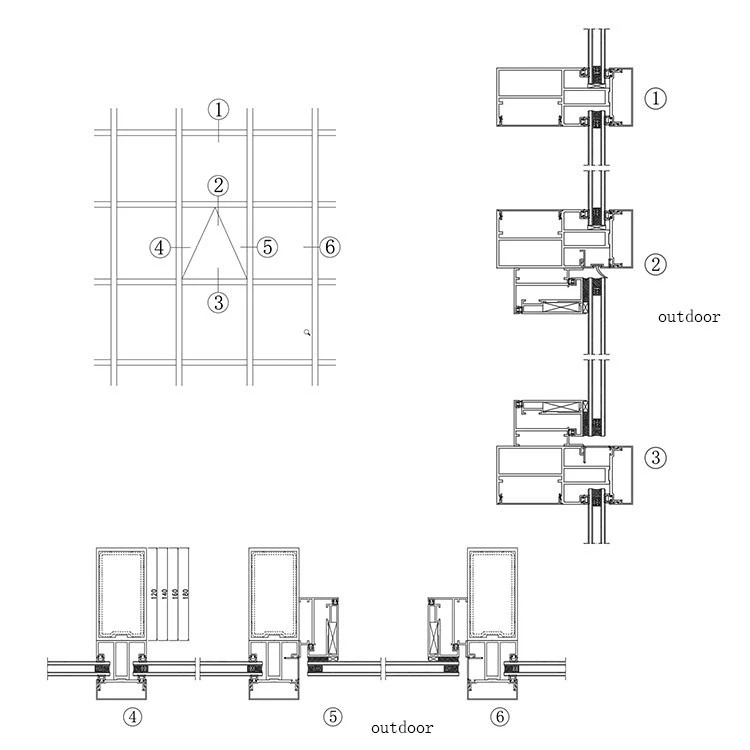
Before we discuss durability, it's essential to understand what a framed curtain wall system is. A framed curtain wall consists of an aluminum or steel frame that supports glass, metal panels, or other infill materials. The frame is attached to the building's structure, and the infill panels are installed within the frame. This type of curtain wall system is known for its versatility, ease of installation, and cost - effectiveness.
We offer a variety of framed curtain wall systems, including the Large Curtain Wall, Ladder System Curtain Wall, and Vertical Mullion Curtain Wall. Each system is designed to meet different architectural requirements and environmental conditions.
Factors Affecting Durability in Harsh Environments
1. Climate Conditions
Harsh environments can be characterized by extreme temperatures, high humidity, heavy rainfall, strong winds, and even exposure to saltwater in coastal areas. Extreme temperatures can cause the materials in the curtain wall to expand and contract, which may lead to structural damage over time. For example, in very cold climates, the glass may be at risk of cracking due to thermal stress. On the other hand, high - temperature regions can cause the sealants and gaskets to degrade more quickly.
High humidity and heavy rainfall can lead to water penetration if the curtain wall is not properly sealed. Water can seep into the building, causing damage to the interior finishes and potentially leading to mold growth. In coastal areas, the salt in the air can corrode the metal components of the curtain wall, reducing its structural integrity.
2. Wind Load
Strong winds can exert significant pressure on the curtain wall. The framed curtain wall system must be designed to withstand the wind loads specific to the location of the building. If the wind load is not properly accounted for during the design phase, the curtain wall may experience deformation, glass breakage, or even detachment from the building structure.
3. UV Radiation
Ultraviolet (UV) radiation from the sun can cause the materials in the curtain wall to deteriorate. The coatings on the metal frames and the surface of the glass can fade, crack, or peel over time due to prolonged exposure to UV rays. This not only affects the aesthetic appearance of the curtain wall but also may reduce its protective properties.
Materials and Design for Durability
1. Frame Materials
The choice of frame material is crucial for the durability of the curtain wall system. Aluminum is a popular choice due to its lightweight, corrosion - resistant properties, and ease of fabrication. However, in extremely harsh environments, such as coastal areas with high salt content in the air, special coatings or stainless steel frames may be required to prevent corrosion.
Steel frames offer high strength and are suitable for buildings that require greater structural support. They can withstand heavy wind loads and extreme temperatures. But steel is more prone to rusting, so proper protective coatings are necessary.
2. Glass Selection
The type of glass used in the curtain wall also affects its durability. Tempered glass is stronger and more resistant to thermal stress than regular glass. It is less likely to break under impact and, if it does break, it shatters into small, relatively harmless pieces. Laminated glass consists of two or more layers of glass bonded together with a plastic interlayer. This type of glass provides additional security and is more resistant to breakage from impacts, such as flying debris during a storm.
3. Sealants and Gaskets
Sealants and gaskets play a vital role in preventing water penetration and air leakage. High - quality sealants that are resistant to UV radiation, temperature changes, and moisture are essential. Silicone - based sealants are commonly used due to their excellent weather resistance and flexibility. Gaskets made of EPDM (ethylene propylene diene monomer) rubber are also popular as they offer good sealing properties and durability.
Testing and Certification
To ensure the durability of our framed curtain wall systems in harsh environments, we subject our products to rigorous testing. These tests include water penetration tests, air leakage tests, wind load tests, and impact resistance tests. Our systems also comply with relevant international standards and certifications, such as ASTM (American Society for Testing and Materials) and AAMA (American Architectural Manufacturers Association) standards.
Maintenance for Long - Term Durability
Even with a well - designed and high - quality framed curtain wall system, regular maintenance is necessary to ensure its long - term durability. This includes inspecting the curtain wall for any signs of damage, such as cracks in the glass, corrosion on the frames, or deterioration of the sealants. Damaged components should be repaired or replaced promptly to prevent further damage.
Cleaning the curtain wall is also an important part of maintenance. Regular cleaning removes dirt, debris, and pollutants that can accumulate on the surface of the glass and frames, which may cause damage over time.
Conclusion
The durability of a framed curtain wall system in harsh environments depends on various factors, including climate conditions, wind load, UV radiation, materials selection, design, testing, and maintenance. As a supplier of framed curtain wall systems, we are committed to providing high - quality products that can withstand the challenges of harsh environments. Our Large Curtain Wall, Ladder System Curtain Wall, and Vertical Mullion Curtain Wall are designed and tested to meet the highest standards of durability.
If you are in the process of planning a building project and are considering a framed curtain wall system, we invite you to contact us for a detailed discussion about your specific requirements. Our team of experts can help you select the most suitable system for your project and ensure that it will stand the test of time in any environment.

References
- American Society for Testing and Materials (ASTM). Various standards related to building materials and curtain wall testing.
- American Architectural Manufacturers Association (AAMA). AAMA standards for curtain wall performance.
- "Curtain Wall Design Guide" by the Aluminum Association.